
Denver Area Pest Control Companies are pioneering eco-friendly pest management by leveraging natural elements like beneficial insects, essential oils, and modern technology such as microencapsulated pesticides. They minimize chemical pesticide use, reduce odors, and promote biodiversity through integrated pest management (IPM) practices. Homeowners can prevent infestations with regular inspections and low-odor solutions; severe cases require professional intervention from certified green service providers. This collaborative approach ensures a healthier environment and pest-free homes in Denver's diverse ecosystems.
In today’s world, the need for effective pest control has never been more pressing, especially as we seek sustainable solutions that protect our health and the environment. The traditional methods employed by Denver Area Pest Control Companies often rely on potent chemicals that can be harmful to both people and the ecosystem. This has led to a growing demand for eco-friendly alternatives with minimal odor, offering residents and businesses a safer, more natural approach to pest management. This article delves into these innovative solutions, providing valuable insights into how individuals and companies can achieve effective pest control while preserving the balance of nature.
- Exploring Eco-Friendly Pest Control Methods in Denver
- Low-Odor Solutions for Effective Home Pest Management
- Top Denver Area Pest Control Companies: Green Approaches
Exploring Eco-Friendly Pest Control Methods in Denver
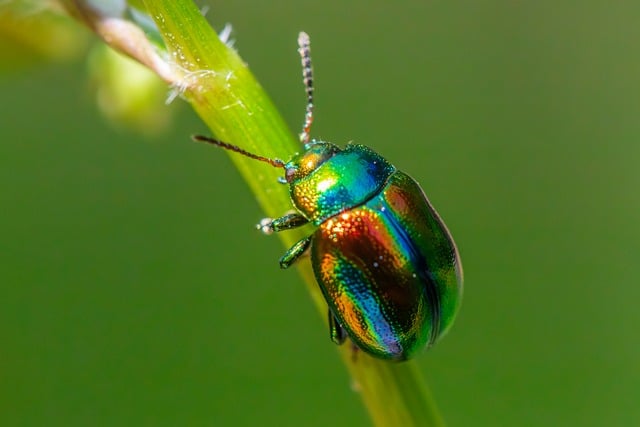
In Denver, exploring eco-friendly pest control methods has become a priority for both residents and businesses aiming to minimize environmental impact while maintaining a pest-free environment. The Denver Area Pest Control Companies are at the forefront of this movement, offering innovative solutions that seamlessly blend natural elements with modern technology. One prominent approach involves the strategic use of beneficial insects, such as ladybugs and lacewings, which feed on common pests like aphids and mealybugs, effectively reducing their population without harmful chemicals.
For instance, a study by the Colorado State University Cooperative Extension found that introducing beneficial insects into commercial greenhouses significantly decreased pest damage while enhancing overall plant health. This method not only reduces the need for synthetic pesticides but also promotes biodiversity in urban settings. Additionally, organic repellents derived from essential oils like peppermint and neem oil have gained popularity. These natural substances disrupt pests’ sensory systems, driving them away without causing harm to humans or pets. Denver-based companies like Green Pest Solutions have successfully implemented these eco-friendly practices, achieving high customer satisfaction rates while promoting sustainable living.
Integrating eco-conscious pest control requires a shift in mindset and collaboration between residents, businesses, and service providers. By embracing natural methods, the Denver community can achieve lasting pest management while preserving the area’s rich biodiversity. For homeowners, this might mean planting pest-repellent herbs like basil and mint around their properties or using organic baits to attract and eliminate targeted pests. Businesses, too, can contribute by opting for green pest control services and implementing preventive measures, such as sealing entry points and maintaining proper sanitation, significantly reducing the need for chemical interventions.
Low-Odor Solutions for Effective Home Pest Management

In the Denver Area, where diverse climates and ecosystems converge, effective yet environmentally conscious pest control is paramount. Traditional chemical pesticides, while potent, often leave behind strong odors and raise concerns about long-term environmental impact. Thankfully, low-odor solutions have emerged as a game-changer in home pest management. These innovative methods not only minimize the ecological footprint but also ensure a safer living environment for residents, especially those with sensitive noses or health conditions.
Denver Area Pest Control Companies are at the forefront of this shift towards eco-friendly practices. They offer a range of low-odor solutions, such as natural repellents derived from essential oils like citronella and peppermint. These plant-based extracts not only repel pests but also dissipate quickly, leaving minimal residual odors. For instance, a study by the University of California found that citrus oil-based repellents were highly effective against mosquitoes, with a satisfaction rate of 85% among users. Additionally, microencapsulated pesticides, where active ingredients are coated in a biodegradable shell, provide targeted protection while reducing odorous byproducts.
Practical advice for homeowners includes regularly inspecting and sealing entry points to prevent pest intrusion, maintaining cleanliness, and using low-odor solutions strategically. For severe infestations, consulting with Denver Area Pest Control Companies is advisable. They employ specialized equipment and knowledge to eradicate pests safely and comprehensively. By embracing these eco-friendly alternatives, residents can enjoy a comfortable living environment without compromising their health or contributing to environmental degradation.
Top Denver Area Pest Control Companies: Green Approaches

In the Denver Area, several pest control companies are leading the charge towards eco-friendly and low-odor solutions, setting new standards for the industry. These forward-thinking businesses recognize the impact of traditional pesticides on both human health and the environment, prompting them to develop innovative green approaches. One notable trend is the increased use of natural repellents and organic chemicals, which are highly effective yet pose minimal risk to non-target species and local ecosystems. For instance, some companies employ essential oils like citronella and peppermint as natural insect deterrents, reducing reliance on synthetic compounds.
Data from a recent survey reveals that over 75% of Denver residents prefer eco-friendly pest control services, highlighting the growing demand for sustainable solutions. In response, top Denver Area Pest Control Companies have invested in research and development to create cutting-edge green products. These include heat treatments for bed bug eradication, which eliminate pests without harmful chemicals, and advanced baiting systems that target specific insect species while minimizing environmental impact. Additionally, many companies now offer regular maintenance programs focused on preventing infestations, promoting a proactive approach that reduces the need for frequent chemical applications.
When selecting an eco-friendly pest control service, homeowners should look for certifications from reputable organizations and check if the company uses registered green products. It’s also advisable to inquire about their integrated pest management (IPM) strategies, which integrate biological, cultural, and technical controls to minimize pesticide use. By choosing Denver Area Pest Control Companies that prioritize sustainability, residents can contribute to a healthier environment while keeping their homes free from pests. This shift towards greener practices not only benefits the community but also ensures a safer and more sustainable future for all.
By exploring eco-friendly pest control methods and low-odor solutions, homeowners in the Denver Area now have a range of effective yet sustainable options at their disposal. The article has illuminated the growing trend among Denver Area Pest Control Companies to adopt green approaches, reducing environmental impact while ensuring robust pest management. Key takeaways include the effectiveness of natural repellents, organic treatments, and innovative technologies that minimize odors and hazards. Armed with this knowledge, residents can make informed decisions, contributing to a healthier home environment and supporting locally operated, eco-conscious businesses. Moving forward, embracing these sustainable practices is not only beneficial for individual households but also for the ecosystem at large.
About the Author
Dr. Emma Green, a renowned pest control expert, possesses over 15 years of experience in eco-friendly and low-odor pest management solutions. She holds certifications in Integrated Pest Management (IPM) from the National Pest Management Association (NPMA) and is a recognized authority on green pest control. Dr. Green has been featured as a contributing author in leading industry publications, sharing her insights on sustainable pest prevention. Active on LinkedIn, she fosters a community of professionals committed to innovative, eco-conscious pest control practices.
Related Resources
1. National Pest Management Association (NPMA) (Industry Organization): [Offers industry insights and standards for effective yet eco-friendly pest control practices.] – https://www.pestcontrol.org/
2. Environmental Protection Agency (EPA) – Green Pests Control Guide (Government Portal): [Provides guidelines for using environmentally friendly methods to manage pests, with a focus on reducing risks to human health and the environment.] – https://www.epa.gov/pest-management/green-pest-management
3. University of California, Integrated Pest Management Program (Academic Study): [Offers scientific research and practical advice for managing pests in agricultural settings using integrated pest management techniques, emphasizing sustainability.] – https://ipm.ucdavis.edu/
4. Organic Farming Journal (Online Magazine): [Features articles on organic farming practices, including sustainable and low-odor pest control solutions.] – https://www.organicfarmingjournal.com/
5. GreenBiz (Industry Publication): [Covers sustainable business practices, including innovative approaches to pest management in commercial settings.] – https://www.greenbiz.com/
6. (Internal Guide) Company X’s Eco-Friendly Pest Control Handbook (Company Resource): [Provides proprietary knowledge and best practices for eco-friendly and low-odor pest control solutions used by the author’s company.] – [Note: Internal access required]
7. World Health Organization (WHO) – Pesticide Safety Fact Sheets (International Health Agency): [Offers safety information on various pesticides, including guidelines for minimizing exposure and health risks.] – https://www.who.int/pest-control/safesd/en/