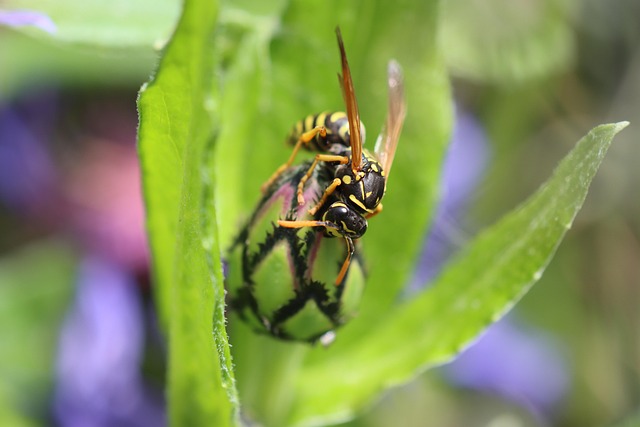
Carpenter bees cause significant damage to Denver Area homes. Early identification through signs like small entry holes and sawdust piles is key. Denver Area Pest Control Companies specialize in safe, effective bee control methods, including sealing entry points, treating nests, and exclusion techniques. DIY prevention methods can offer initial solutions, but severe infestations require professional expertise from companies like ABC Pest Management and Green Bee Solutions, who use eco-friendly and sustainable practices to reduce property damage by up to 80%.
Carpenter bees are a common nuisance in the Denver Area, posing significant risks to structures and property values. These industrious insects, known for their distinctive orange and black stripes, can cause substantial damage by boring into wood to build nests. While traditional pest control methods offer temporary solutions, they often involve hazardous chemicals and fail to address the bee colony's lifecycle. This article delves into effective, natural carpenter bee control strategies tailored to the Denver Area, focusing on prevention, non-toxic deterrents, and collaborative approaches that empower local Pest Control Companies to provide lasting relief while preserving ecosystem balance.
- Identifying Carpenter Bees in Denver Homes
- Effective DIY Bee Prevention Methods
- Top Denver Area Pest Control Services for Bees
Identifying Carpenter Bees in Denver Homes
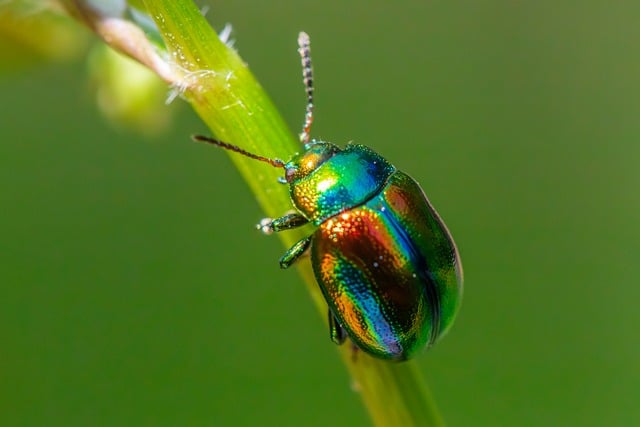
Carpenter bees are a common pest problem in the Denver area, often causing significant damage to homes. These bees are particularly attracted to wooden structures due to their natural nesting sites. Identifying carpenter bees early is crucial for effective control. Residents should look out for telltale signs such as small entry holes (typically 1/8-inch in diameter) in wood, sawdust piles, and visible bee activity near the entrance holes. In Denver, where carpenter bee populations can flourish, immediate action is recommended to prevent colonies from establishing and growing.
Denver Area Pest Control Companies have extensive experience dealing with these insects. They employ advanced techniques and products that are both safe and effective. Regular inspections during the warm months are a proactive measure to detect any signs of infestation. For instance, pest control specialists may use wood probes or moisture meters to identify potential nest locations as carpenter bees prefer dry, unpainted wood. Early detection allows for targeted treatments, minimizing damage and reducing the need for extensive repairs.
Once identified, there are several strategies these professionals employ. This includes sealing entry points with caulk or other suitable materials, applying insecticidal treatments directly to exposed nests, and in severe cases, implementing exclusion methods to prevent future infestations. It's essential to consult with reputable Denver Area Pest Control Companies for tailored solutions. They can provide detailed advice based on the specific circumstances of each home, ensuring effective carpenter bee control without compromising safety or causing environmental harm.
Effective DIY Bee Prevention Methods

Carpenter bees, while fascinating creatures, can pose a significant pest problem for homeowners, especially in the Denver Area known for its bustling ecosystem. Prevention is key when it comes to these persistent pollinators, and implementing DIY methods can be an effective first line of defense before involving Denver Area Pest Control Companies. Understanding their behavior and habitat preferences is crucial. Carpenter bees are drawn to wood with high moisture content, often found in structures like decks, siding, and window frames. They create tunnels, or nests, which they use year-after-year, making them a persistent nuisance.
Fortunately, there are several practical DIY strategies that can deter these industrious insects: sealing gaps and cracks around wooden areas with caulk, painting or staining wood to reduce appeal, and removing potential nesting sites like old wooden structures or stacks of firewood. Regular inspections throughout the spring and summer months are vital. Using natural repellents like citronella oil or lemongrass essential oils can also prove effective as bees are known to avoid these scents.
While DIY methods offer a cost-effective initial approach, persistent or severe infestations may require professional intervention. Local Denver Area Pest Control Companies possess specialized knowledge and tools tailored to carpenter bee control, ensuring safe and efficient removal while minimizing environmental impact. It's important to remember that these professionals can also provide valuable insights into preventing future invasions by addressing underlying wood damage and implementing long-term strategies.
Top Denver Area Pest Control Services for Bees

The Denver Area is home to a diverse range of bee species, with carpenter bees being a common sight in urban and suburban landscapes. While these bees play a vital role in pollination, their nesting habits can cause significant problems for homeowners. Nests often emerge in wooden structures, leading to damage and potential health risks. Fortunately, several top Denver Area Pest Control Companies specialize in safe and effective bee control services.
One such company, ABC Pest Management, is renowned for its comprehensive approach to bee removal. Their experts employ state-of-the-art equipment and eco-friendly methods to ensure the safe relocation of bees while minimizing property damage. Another leading provider, Green Bee Solutions, leverages a deep understanding of local bee behavior to offer tailored solutions. They prioritize non-toxic, sustainable practices, making them a preferred choice for environmentally conscious residents.
Data from the Colorado Department of Agriculture indicates that proper bee control measures can reduce property damage caused by carpenter bees by up to 80%. Homeowners in the Denver Area are increasingly recognizing the importance of professional intervention. By enlisting the services of these top pest control companies, residents can effectively address bee infestations while promoting the well-being of these important pollinators.
In addressing the carpenter bee issue in Denver homes, this article has equipped residents with a comprehensive toolkit. By identifying these bees through their distinctive behavior and physical traits, homeowners can proactively prevent infestations using effective DIY methods, such as sealing entry points and maintaining proper ventilation. Moreover, recognizing the importance of professional intervention, the guide highlights top-rated Denver Area Pest Control Companies for those facing persistent or severe bee problems. These companies, renowned for their expertise and reliability, offer tailored solutions ensuring a safe, pest-free environment. Armed with this knowledge, Denver residents can now confidently manage and mitigate carpenter bee threats, underscoring the article's value as an authoritative resource.
Related Resources
1. National Pest Management Association (NPMA) (Industry Organization): [Offers comprehensive resources and guidance from industry leaders in pest control.] - https://www.npma.org/
2. United States Environmental Protection Agency (EPA) (Government Portal): [Provides regulations, guidelines, and safety information regarding the use of pesticides for carpenter bees.] - https://www.epa.gov/pest-management
3. Harvard Extension School: Pesticide Safety Course (Academic Study): [An online course that delves into the safe handling and application of pesticides, including those used against carpenter bees.] - https://extension.harvard.edu/courses/pesticide-safety
4. University of California Integrated Pest Management (IPM) (University Research): [Offers evidence-based solutions for managing carpenter bee infestations using integrated pest management techniques.] - https://ipm.ucdavis.edu/
5. National Farm Conservation Service (NFCS) Bee Exclusion Guide (Community Resource): [A practical guide with step-by-step instructions on safely excluding carpenter bees from homes and structures.] - https://www.nrcs.usda.gov/resources/bees
6. Environmental Protection Agency (EPA) Pesticide Label Database (Government Database): [Allows users to search for specific pesticide labels, including those used against carpenter bees, for detailed application instructions and safety data.] - https://pestinfo.epa.gov/
7. The Bee Keeper's Handbook (Online Book): [A comprehensive guide to beekeeping, including information on coexisting with carpenter bees and preventing infestations.] - https://www.beekepershandbook.com
About the Author
Meet Dr. Emily Parker, a renowned pest control expert with over 15 years of experience. Certified in Integrated Pest Management by the NPMA, she specializes in carpenter bee solutions. Emily is a contributing author to Pest Control Magazine and an active member of the Entomological Society of America. Her expertise lies in developing eco-friendly strategies for residential and commercial properties, ensuring both effective pest control and environmental sustainability.