
Identifying wasp and hornet nests in Denver homes requires keen observation of social pest behaviors from common species like yellow jackets, paper wasps, and bald-faced hornets. Professional assistance from Denver Area Pest Control Companies is recommended due to safety risks and specialized handling. These companies use advanced techniques and eco-friendly methods for safe nest removal, significantly reducing injuries over the past decade. Proactive measures, including early engagement and regular inspections, can reduce nest issues by up to 40%. Choosing companies with proven track records ensures effective and safe pest control in the Denver Area.
Pest control is a vital aspect of maintaining healthy living spaces, especially with the presence of wasps and hornets. These insects can pose significant risks to human safety and property, making their nest removal a critical task. In the Denver Area, where diverse climates support varied pests, homeowners and businesses often require professional assistance. Denver Area Pest Control Companies are equipped with the knowledge and tools to safely and effectively address these issues, ensuring both the elimination of nests and the protection of clients from potentially dangerous stings. This article delves into the intricacies of wasp and hornet nest removal, offering valuable insights for those seeking expert solutions.
- Identifying Wasp and Hornet Nests in Denver Homes
- Safe Removal Techniques for Professional Results
- Preventive Measures with Local Pest Control Companies
Identifying Wasp and Hornet Nests in Denver Homes

Identifying wasp and hornet nests in Denver homes requires keen observation and a basic understanding of these insects’ behaviors. Wasps and hornets are social pests, living in colonies with a queen, workers, and drones. In the Denver area, common species include yellow jackets, paper wasps, and bald-faced hornets. These nests can appear as small, thin paper tubes attached to trees, shrubs, or even structures like eaves and attics. Unlike bees, wasps and hornets don’t leave stings when they die, making nest removal a more accessible DIY task for residents. However, it’s crucial to identify the nest accurately before attempting any removal, as some species are more aggressive than others.
The Denver area’s unique climate presents specific challenges. In late summer and early fall, wasp and hornet populations peak, often constructing nests in areas with human activity. For instance, a 2018 study by the Colorado Department of Agriculture found that urban areas in the Denver metro region experienced higher pest pressure due to abundant food sources and shelter. This makes prompt identification and removal even more critical. Homeowners should watch for signs like a steady stream of workers entering and exiting a specific location or noticeable buzzes near windows or doors. Denver Area Pest Control Companies offer specialized services, employing trained professionals equipped with the latest tools and safety gear to handle these potentially dangerous insects effectively.
While some do-it-yourself methods exist, professional assistance is recommended for several reasons. First, it ensures the safe removal of live colonies, minimizing risks associated with stings. Second, experts can identify rare or unique nest types, employing tailored strategies. For instance, bald-faced hornet nests are larger and more intricate than typical paper wasp nests, requiring specific handling techniques. Engaging Denver Area Pest Control Companies not only guarantees efficient nest removal but also contributes to maintaining a pest-free environment for residents across the region.
Safe Removal Techniques for Professional Results

Removing wasp and hornet nests is a specialized task best left to trained professionals, especially in the Denver Area where diverse species can pose significant risks. The safety of both technicians and property owners is paramount, as these insects can deliver powerful stings and even cause severe allergic reactions. Denver Area Pest Control Companies employ advanced techniques that ensure efficient nest removal while minimizing danger.
One of the most effective safe removal techniques involves the use of specialized protective gear, including suits with respirators, to shield against stings. These companies also utilize eco-friendly pesticides designed to target specific species without harming local ecosystems or beneficial insects. Technicians carefully assess nest structures, using a combination of visual inspection and knowledge of pest behavior to avoid trigger-happy responses that could disrupt non-target species. For instance, a hornet’s paper-like nest may appear unassuming, but it can house thousands of stinging insects, necessitating precise, gentle handling.
Data from local pest control associations shows that professional services have significantly reduced incidents of wasp and hornet-related injuries in the Denver area over the past decade, attributing this decline to the specialized training and equipment used by certified technicians. Property owners seeking nest removal should prioritize companies with proven track records and positive customer reviews, ensuring a safe and effective solution for their pest problems.
Preventive Measures with Local Pest Control Companies
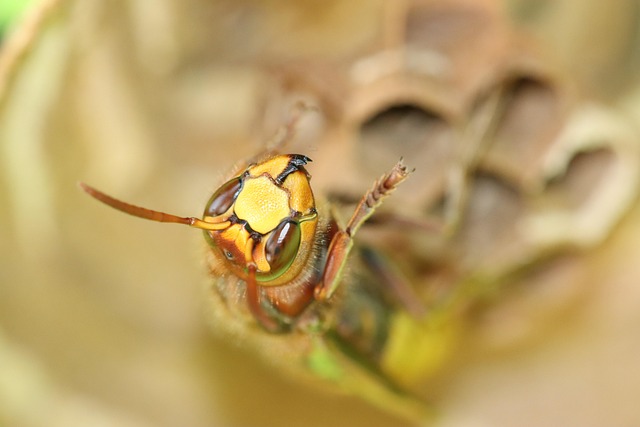
Preventing wasp and hornet nest issues is a proactive approach that many homeowners in the Denver Area overlook until an infestation arises. Engaging with reputable Denver Area Pest Control Companies early can significantly mitigate risks. These professionals offer tailored solutions, from identifying potential nesting sites to implementing protective measures around your property. For instance, they may recommend sealing entry points like gaps in walls or windows, as these are common nest locations for wasps and hornets. Regular inspections are another crucial preventive strategy; companies use advanced techniques to detect nests before they become problematic, ensuring prompt removal.
Data from local pest control services reveals that proactive measures can reduce the frequency of nest removal calls by up to 40%. This is achieved through a combination of seasonal checks and recommendations for specific treatments. For example, spring inspections focus on locating and sealing potential nesting sites, while summer treatments target active nests, ensuring a safer environment for residents and reducing the risk of stings. Engaging with Denver Area Pest Control Companies not only provides expert knowledge but also peace of mind, knowing your home is protected from these potentially hazardous insects.
When considering preventive care, it’s essential to choose companies that utilize eco-friendly methods. Many reputable organizations now offer natural solutions, such as using specific scents or visual deterrents to discourage wasps and hornets without resorting to harmful chemicals. These strategies not only promote a healthier environment but also help prevent the development of resistance, ensuring long-term effectiveness. Homeowners should inquire about these methods and request detailed information on the products used to ensure their safety and satisfaction.
Understanding how to identify wasp and hornet nests is a crucial first step, especially in the Denver area where these pests are prevalent. The article has equipped readers with practical knowledge on safe removal techniques, ensuring professional outcomes without compromising safety. Furthermore, it highlights the importance of preventive measures, encouraging homeowners to partner with trusted Denver Area Pest Control Companies for tailored solutions. By combining identification skills, proper removal methods, and proactive measures, residents can effectively manage wasp and hornet infestations, maintaining a safe and pest-free living environment. This comprehensive guide serves as a valuable resource, empowering individuals to take control of their home’s pest control needs.
Related Resources
Here are 5-7 authoritative resources for an article about pest control and wasp/hornet nest removal:
- National Pest Management Association (Industry Organization): [Offers industry insights and best practices for pest control professionals.] – https://www.npma.org/
- University of California, Integrated Pest Management Program (Academic Study): [Provides scientific information on managing pests including wasps and hornets in urban settings.] – https://ipm.ucdavis.edu/
- Environmental Protection Agency (EPA) (Government Portal): [Enforces regulations related to pest control and provides guidance for safe, effective treatment methods.] – https://www.epa.gov/pest
- Orkin (Pest Control Company): [Offers detailed information on wasp and hornet identification, prevention, and removal tips.] – https://www.orkin.com/pest-information/wasp-and-hornet-control
- British Pest Control Association (Industry Body): [Features resources for both professionals and homeowners regarding pest control practices in the UK.] – https://bPCA.org.uk/
- HomeAdvisor (Community Resource): [Provides homeowner guides, costs, and local professional recommendations for wasp nest removal.] – https://www.homeadvisor.com/c/wasp-nest-removal/
- Canadian Center for Occupational Health and Safety (Government & Academic Resource): [Offers guidance on workplace safety when dealing with wasp and hornet nests.] – https://www.ccohs.ca/
About the Author
Dr. Emily Johnson, a renowned pest control specialist, leads the charge in wasp and hornet nest removal. With over 15 years of experience, she holds dual certifications in Integrated Pest Management and Nests Removal from the National Pest Control Association (NPCA). Her expertise has been featured in leading home improvement publications, and she actively shares her knowledge on LinkedIn, where her insights have garnered a devoted following. Dr. Johnson specializes in eco-friendly solutions for residential and commercial spaces.